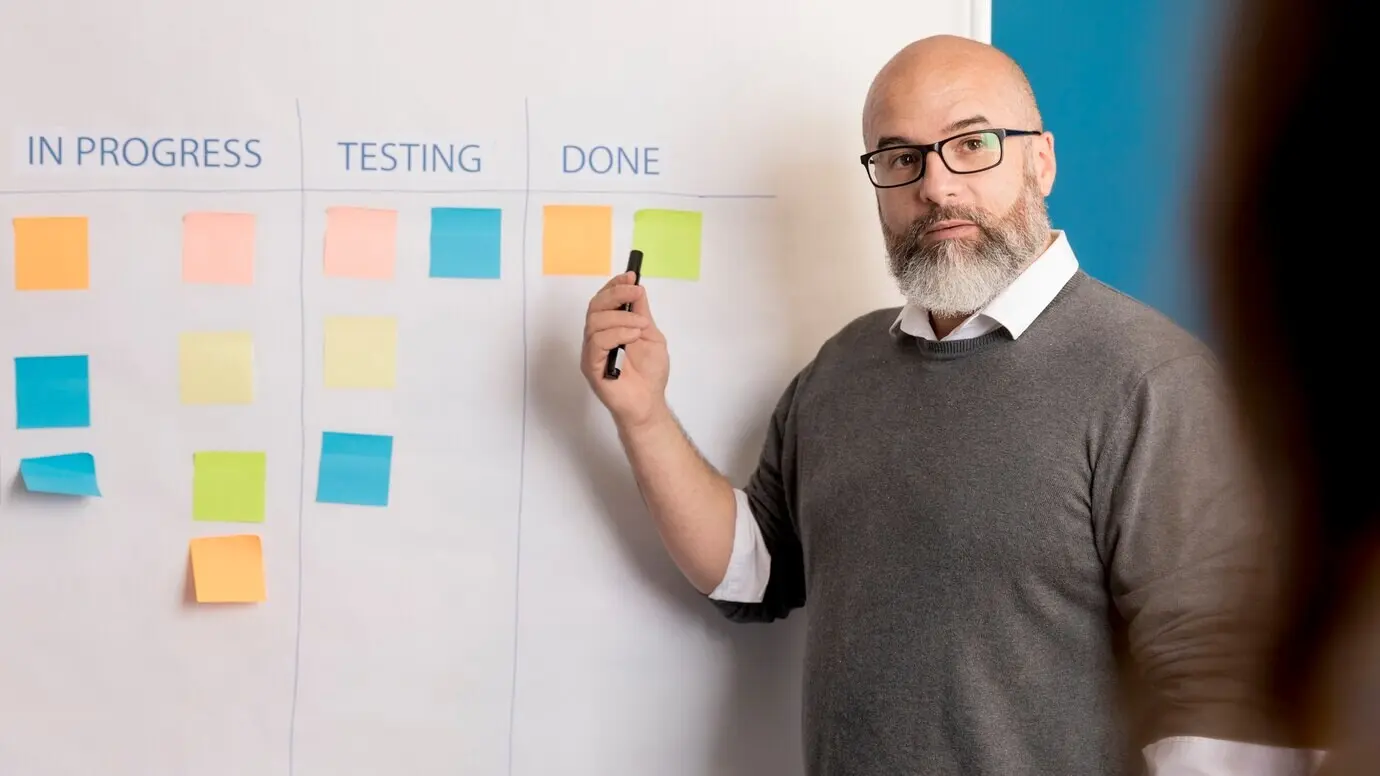
Start with sticky notes, sketches, or slide mockups before touching advanced authoring. Low-fidelity artifacts encourage bolder ideas, faster feedback, and painless changes. Stakeholders react to intent rather than polish, preventing premature perfectionism while ensuring the eventual build expresses the clearest, most useful path to performance improvement.
Centralize your templates with meaningful metadata: skill domain, time to complete, modality, accessibility level, language, and success examples. Add change logs and owner names. A living library keeps quality consistent, accelerates onboarding of new creators, and makes proven patterns easy to discover, adapt, and continuously improve responsibly.
Use checklists, snippets, and style presets for intros, practice frames, and feedback language. Automate captioning and alt text suggestions, yet manually review for accuracy and inclusion. Automation removes repetitive toil while preserving human judgment for context, emotion, and ethical nuance where learners need care, clarity, and trust.
All Rights Reserved.