Build Skills at the Speed of Change

Today we dive into rapid prototyping templates for employee upskilling micro-lessons, showing how lean design, quick validation, and reusable patterns turn scattered training requests into crisp, high-impact learning. Expect practical examples, field-tested checklists, and friendly prompts that help you ship value within days, not months.

A Lightning Path from Concept to Classroom

Transform rough ideas into measurable capability quickly by anchoring every micro-lesson to a visible, job-critical outcome. This approach translates business intent into concise learning experiences, shortens review cycles, and empowers teams to experiment safely while protecting quality, relevance, and learner time in the moments that actually matter.

Objectives That Fit on a Sticky Note

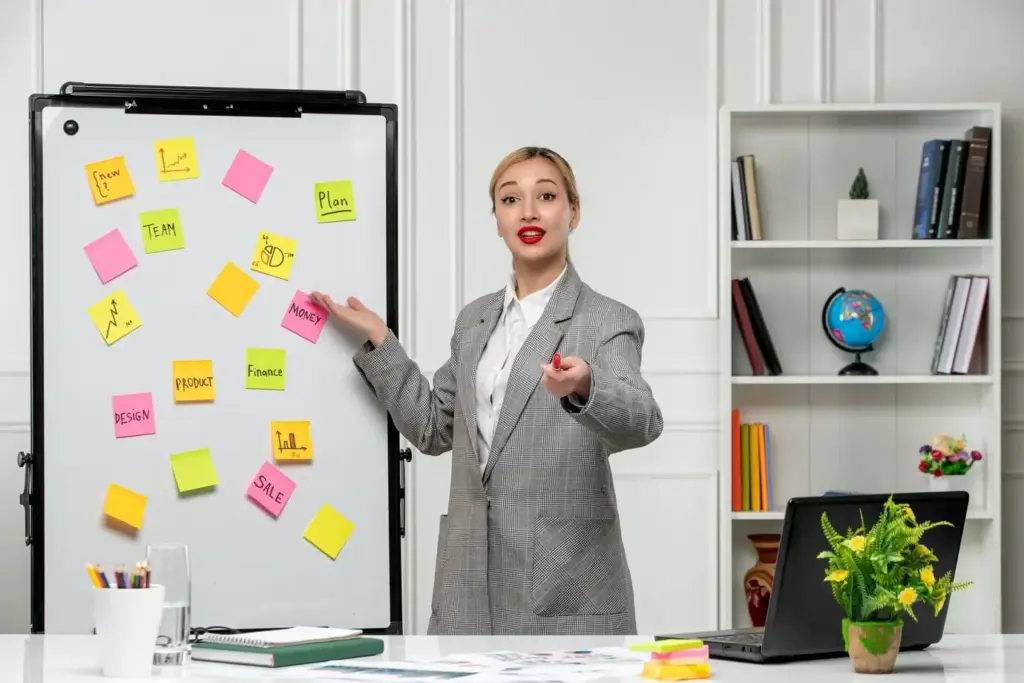
State the outcome in one sentence using observable verbs and a realistic deadline. If it cannot fit on a sticky note, it is not yet micro. This constraint surfaces scope creep, clarifies relevance, and helps learners instantly understand why their next three minutes genuinely deserve focused attention.

Cognitive Ease Without Dumbing Down

Reduce extraneous detail, not rigor. Replace walls of text with purposeful visuals, short steps, and progressive disclosure. Keep challenge high but instructions simple. Learners should spend energy on decisions that mirror the job, not decoding interface complexity or navigating unnecessary content that distracts from the intended capability.

Tools and Workflows that Remove Friction

Speed emerges from carefully chosen constraints. Use simple, flexible tools that invite quick edits, visible collaboration, and clean handoffs. Agree on naming conventions, version control, and accessibility defaults. With friction removed, creators spend time crafting meaningful interactions instead of chasing files, formatting slides, or debating minor layout details.

01

Low-Fidelity First, Always

Start with sticky notes, sketches, or slide mockups before touching advanced authoring. Low-fidelity artifacts encourage bolder ideas, faster feedback, and painless changes. Stakeholders react to intent rather than polish, preventing premature perfectionism while ensuring the eventual build expresses the clearest, most useful path to performance improvement.

02

Template Library, Versioned and Searchable

Centralize your templates with meaningful metadata: skill domain, time to complete, modality, accessibility level, language, and success examples. Add change logs and owner names. A living library keeps quality consistent, accelerates onboarding of new creators, and makes proven patterns easy to discover, adapt, and continuously improve responsibly.

03

Automate the Boring, Safeguard the Critical

Use checklists, snippets, and style presets for intros, practice frames, and feedback language. Automate captioning and alt text suggestions, yet manually review for accuracy and inclusion. Automation removes repetitive toil while preserving human judgment for context, emotion, and ethical nuance where learners need care, clarity, and trust.

Stories from the Floor: Real Results

Evidence, Not Hunches

Before building, define how you will know the lesson works. Track behavior shifts, not only completion. Instrument interactions ethically, protecting privacy while capturing decision points, time-on-task, and confidence. Share results openly so teams learn together, celebrate progress, and retire ineffective patterns rapidly in favor of better, validated alternatives.

Scale Without Losing Soul

Growing fast should never erase empathy. Establish clear guardrails that protect clarity, accessibility, and purpose while leaving room for creative expression. Templates become trusted companions, not cages, when they guide decisions and keep everyone focused on learner dignity, context realism, and impact that matters on the job.

Join the Build–Measure–Learn Community

Share Your One-Page Template and Get Feedback

Post a snapshot describing role, objective, and authentic check. Peers will suggest tighter verbs, faster hooks, and clearer prompts. Use the collective insight to improve your next iteration, then return and close the loop with results so others learn from your practical journey and courageous transparency.

Start a Friday Prototype Jam

Reserve one hour weekly for rapid creation. Pick a real task, set a tiny objective, and build a testable draft with colleagues. End with five-minute learner trials and a quick readout. Small rituals like this sustain momentum, reduce fear, and normalize continuous improvement across teams and functions.

Subscribe and Shape What Comes Next

Get new templates, checklists, and case write-ups as they drop. Vote on upcoming experiments, request patterns for hard problems, and join live teardown sessions. Your perspective ensures the work stays grounded, generous, and useful to practitioners juggling deadlines, stakeholders, and the very human needs of busy learners.
Hexoluntravixpanlo
Privacy Overview

This website uses cookies so that we can provide you with the best user experience possible. Cookie information is stored in your browser and performs functions such as recognising you when you return to our website and helping our team to understand which sections of the website you find most interesting and useful.