Learn Faster with Real-World Moments at Work
Today we focus on Scenario-Based Microlearning for Workplace Soft Skills, turning everyday tensions and opportunities into short, immersive moments that build confidence, empathy, and practical judgment. Expect realistic choices, immediate feedback, and space to try again without fear. You will leave with tangible approaches to communicate clearly, resolve conflict, and influence ethically, all inside minutes. Share your own workplace moments, subscribe for updates, and help shape our next scenarios with your lived experience.


Why Scenarios Stick in Busy Workdays
Soft skills grow through experience, not long lectures. Scenario-based microlearning compresses experience into relatable slices that trigger emotion, reflection, and action. Emotional relevance boosts memory, while short practice nudges create momentum without requiring protected time. Learners discover what actually works under pressure, then reinforce it with spaced repetitions. This approach respects real constraints, translating knowledge into habitual behavior, even when the calendar overflows and attention is scarce.
Emotion Sparks Recall
When a character’s voice cracks during a difficult feedback conversation, the brain registers stakes that bullet points never convey. Emotional salience anchors memory, making the lesson retrievable during real stress. Build scenarios around recognizable frustrations and aspirations, not abstract concepts. Use consequences that feel fair, not punitive, and allow safe retries so learners experience growth rather than shame. This balance turns fleeting attention into lasting skill.
Minutes, Not Hours
Five focused minutes before a meeting can shape the next five months. Microlearning aligns with natural work rhythms: short, purposeful bursts that fit between calls, commutes, or coffee. Each moment targets one decision or behavior, supported by concise feedback. Spaced sequences multiply the effect, revisiting skills from different angles so transfer strengthens. People rarely have hours, yet they always have minutes; design for those minutes and performance follows.
From Knowing to Doing
Many professionals already know the right words; execution falters under pressure. Scenarios bridge the gap by rehearsing choices with realistic friction: incomplete information, time limits, and competing goals. Immediate feedback explains why a response helped or harmed trust, not merely what was correct. Over time, micro-rehearsal builds automaticity, turning deliberate effort into graceful habit when the stakes rise and the room gets quiet.



Designing Micro Scenarios with Purpose
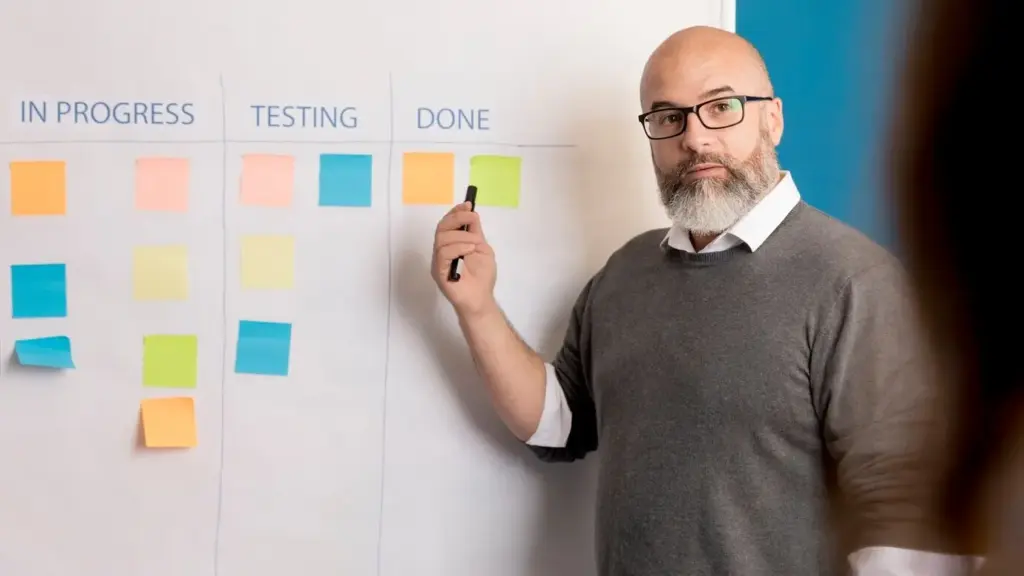
Clarity at the start prevents noise later. Identify the precise soft skill behavior that matters, the setting where it actually appears, and the measurable sign of improvement. Keep narratives human and concise, with believable dialogue and consequences aligned to reality. Use branching paths sparingly but meaningfully, ensuring every choice teaches something specific. Diversity in characters and contexts widens relevance, while consistent feedback voice creates psychological safety for honest practice.
Tools, Formats, and Delivery
Strong ideas need frictionless delivery. Blend formats—chat simulations, quick videos, audio vignettes, interactive emails—to match varied preferences and bandwidth realities. Optimize for mobile moments and offline access, ensuring accessibility from the start. Use lightweight authentication and single-click resumes to reduce drop-off. Instrument with xAPI or LMS events to capture useful signals, not surveillance. Iterate frequently based on patterns in choices, dwell time, and narrative feedback requests from learners.


Coaching Soft Skills that Move the Needle
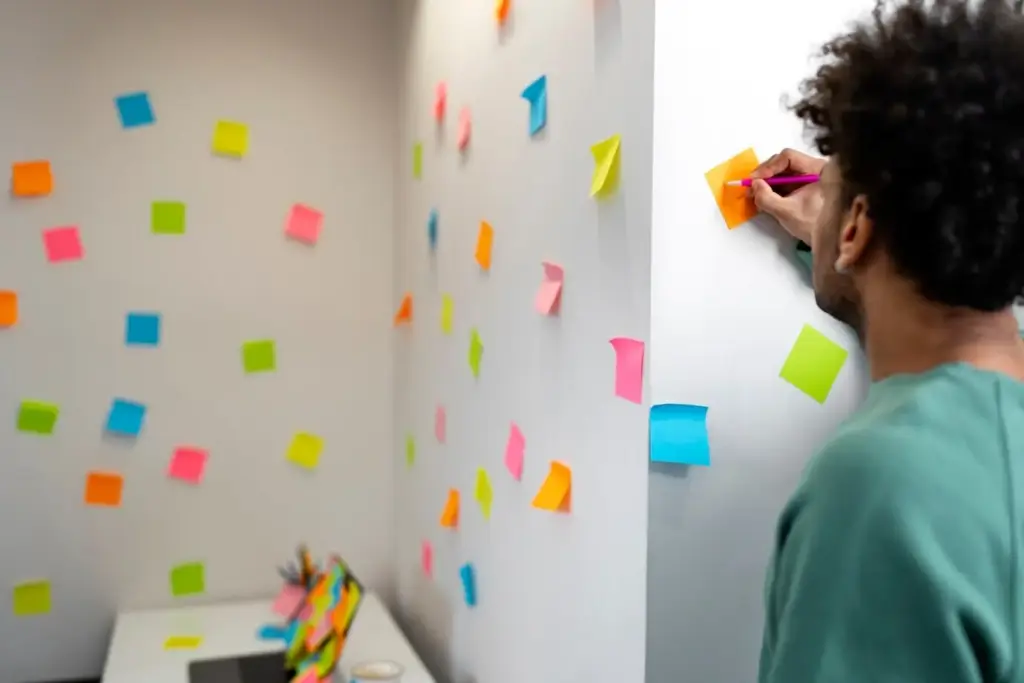
Communication, empathy, feedback, and influence determine whether projects survive pressure. Scenario-based microlearning rehearses those muscles with realistic friction and supportive debriefs. Learners learn to slow down, clarify intent, and choose words that protect dignity. Stories stick, so we use narrative to transform abstract advice into repeatable moves. Leaders gain a shared language for coaching, and teams experience fewer misunderstandings, faster alignment, and calmer decision-making when conflict appears.
Measuring Impact and Proving Value
Soft skills can be measured when you define observable behaviors and connect them to operational outcomes. Combine learning analytics with workplace signals—customer satisfaction, cycle time, rework rates—to demonstrate effect. Use short baselines, then track change across cohorts with ethical, privacy-aware methods. Qualitative stories amplify the numbers, revealing human consequences: calmer retros, clearer emails, restored trust. Communicate insights in plain language dashboards leaders can discuss without translation.
Launching, Scaling, and Sustaining Engagement
Nudge-Based Campaigns That Respect Time
Use short, friendly prompts that arrive when energy is highest, not during peak chaos. Pair each nudge with a direct link into a single scenario, then a one-question reflection. Reinforce a week later with a different angle on the same skill. Offer opt-out and snooze to honor autonomy. Ask for story replies, and feature anonymized highlights in a monthly roundup to reward participation and inspire the next cycle.
Community, Reflection, and Peer Stories
People learn from people. Host lightweight channels where colleagues share phrases that worked, moments that failed, and surprising outcomes. Encourage kindness and specificity, not performance. Provide simple prompts—“What did you try today?”—to lower barriers. Recognize contributions publicly, and synthesize patterns into new scenarios. This loop transforms learning from a one-way broadcast into a shared craft. Join the conversation today and invite a partner to practice with you.
Keep It Fresh Without Burning Out
Plan a seasonal content calendar tied to real business moments—product launches, reviews, holidays—to sustain relevance. Re-skin strong scenarios with new characters to extend value. Retire confusing branches quickly, and add small surprises: alternate endings, expert commentary, or challenges. Automate reminders and translations, but keep editorial judgment human. Ask subscribers which situations they face next quarter, then prioritize accordingly. Freshness emerges from listening, not just publishing more frequently.
All Rights Reserved.